Extrusion Blow Molding
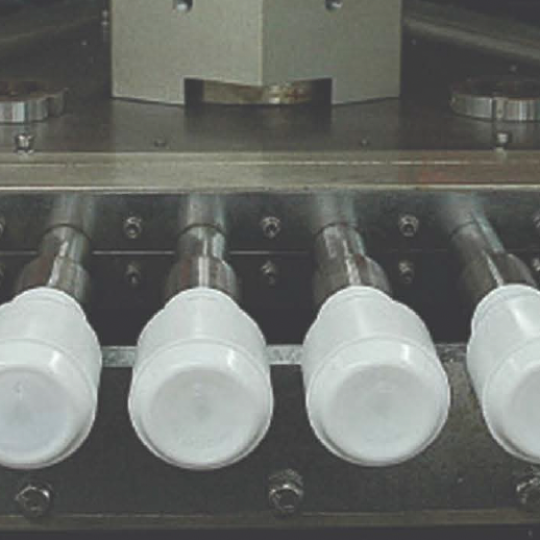
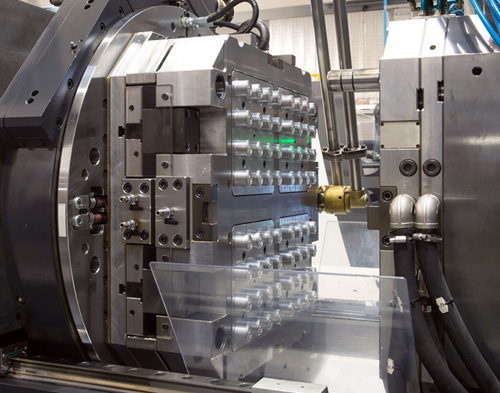
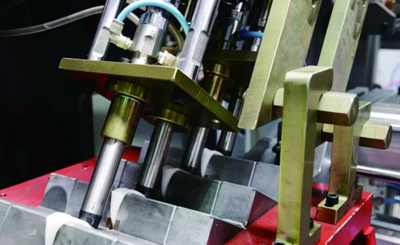
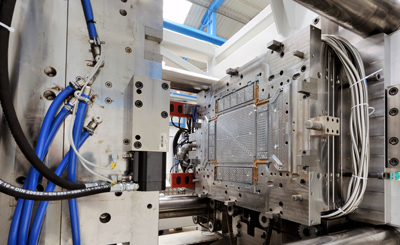
Our Battenfeld and Bekum extrusion blow molding equipment allows us to manufacture products using polyolefin thermoplastics. We utilize shuttle machines which run two molds concurrently, providing twice the normal rate of production. All machine functions are microprocessor controlled assuring one of the highest degrees of control available. The combination of high speed and consistent production allows us to fulfill our customers' needs on time and at the right price.
Specific capabilities for the Plastics Division include:
- Blow molding containers up to one gallon F-type
- Custom product design
- Material selection
- Mold maintenance
- Automated mechanical assembly
High-Density Polyethylene (HDPE)
HDPE injection molding is a manufacturing method that employs High-Density Polyethylene (HDPE) as the primary material to produce a diverse array of plastic components and products. The process consists of melting HDPE resin, injecting it into a mold cavity, cooling, ejection, and final finishing steps. HDPE's favorable attributes, including its strength, chemical resistance, and cost-effectiveness, render it well-suited for a range of applications across industries such as packaging, automotive, consumer goods, and construction. This process offers an efficient and economical means of manufacturing plastic parts with various shapes and sizes, establishing it as a widely adopted technique in the manufacturing sector.
Polypropylene (PP)
Polypropylene injection molding is a manufacturing technique that employs polypropylene (PP) as the primary material for crafting plastic parts and products. PP is acclaimed for its exceptional qualities, which encompass high resistance to chemicals, lightweight properties, and cost-effectiveness, rendering it a prevalent choice in numerous industries. The process encompasses melting PP resin, injecting it into a mold cavity, facilitating cooling, and potentially undergoing subsequent finishing steps. Renowned for its versatility and cost-efficiency, polypropylene injection molding is a favored method for the streamlined production of plastic components in a wide array of shapes and sizes, making it particularly popular in sectors like packaging, automotive, consumer goods, and medical devices.
PCR (Post-Consumer Recycled)
PCR (Post-Consumer Recycled) material refers to plastic materials that are recycled from consumer products that have reached the end of their useful life and have been discarded or recycled by consumers. These materials are collected from items such as used plastic bottles, packaging, and various consumer goods after they have been used, discarded, and then recovered through recycling processes.
Post-consumer recycled materials are a crucial component of sustainable and environmentally responsible plastic production. They help reduce the demand for virgin plastic resins, conserve resources, and minimize the environmental impact associated with plastic manufacturing. We use PCR materials to create new plastic products, contributing to the circular economy and reducing the overall environmental footprint of plastic production. Recycling programs and initiatives encourage the collection and processing of post-consumer plastics to reintegrate them into the manufacturing supply chain, reducing waste and conserving resources.
What is blow molding?
Blow molding is a manufacturing process for forming hollow plastic parts. Blow molding is a type of plastic-forming process made from thermoplastic materials. The process involves heating and inflating a plastic tube, known as a parison or preform. The parison is placed between two dies that contain the desired shape of the product. Air is then injected to expand the tube causing the walls to become thinner and conform to the shape of the mold. Once the blowing process is complete, the product is then cooled, ejected, trimmed, and prepared for the secondary operations.
What products can be made using blow molding?
Blow molding can be used to make a variety of hollow plastic products, from everyday items like sporting goods and leisure products to custom parts for component industries. Click here for product possibilities here at Western Industries.
Can blow molding be used for large parts?
Yes, blow molding is well suited for manufacturing both small and large parts, making it a versatile choice for a wide range of applications.
Is blow molding environmentally friendly ?
Blow molding allows for extensive use of first-generation regrind to help reduce scrap and waste. HDPE is a commonly recycled material allowing it to be reused in the recycle stream and produce less of an environmental footprint.
How durable are blow-molded products?
The durability of blow-molded products depends on the type of plastic used. Some materials create extremely durable and impact resistance products, making blow molding a popular choice for items that need to withstand wear and tear. Western Industries adheres to the highest quality standards.
What are the three types of blow molding?
There are three main types of blow molding: Extrusion Blow Molding (EBM), Injection Blow Systems (IBS), and Injection Stretch Blow Molding (ISBM). Each has different advantages depending on the specific requirements of the project.
What plastic is best for blow molding?
A wide range of plastics can be used in blow molding, some of the most commonly used materials include: Low and High-Density Polyethylene (LDPE, HPDE), PVC, PET, Nylon (PA), ABS, EVA, TPE, Polypropylene (PP), Co-polyester, COP and COC, and Polystyrene.
HDPE is the world's #1 plastic polymer and the most common blow-molded plastic material used. Western Industries utilizes HDPE in 90% of its manufacturing processes. Western Industries also uses Polypropylene (PP) and TPO.
Can blow molding be used for complex shapes?
Yes, the blow molding process can create complex shapes and textures. The molten plastic takes on the exact shape and texture of the mold, allowing for intricate designs. The pressure from the injected air also allows for greater detail in the process and can include embedded serial numbers, logos, etc. with excellent re-creation.
What is flash in blow molding?
Flash is the excess plastic that forms around the seams of products during the manufacturing process. Although blow molding also generates flash, it is typically utilized as a first-generation regrind allowing for much greater economies of production and less scrap. Western Industries uses an efficient and eco-friendly process that allows us to use the flash from parts and re-distribute it back into the production cycle in real-time.
How long does the blow molding process take?
The time it takes to complete the blow molding process depends on the size and complexity of the part being made. However, the formed part usually cools within the mold for a period of one to four minutes.
What type of blow molding does Western Industries specialize in?
At Western Industries, we specialize in Extrusion Blow Molding (EBM). This process involves extruding a tube of hot plastic, called a parison, into a mold. The mold then closes around the parison, and air is injected into it, causing it to inflate and take the shape of the mold. Once the plastic has cooled and hardened, the mold opens to release the finished part. EBM is a particularly versatile method that allows us to create a wide range of products, from smaller containers to larger items. It's flexibility and cost-effective process make it ideal choice for mid to large-part blow molding, which is our area of expertise. With EBM, we can ensure high-quality, durable products that meet our clients' specific needs, whether their application is sporting goods, medical, leisure products, industrial components, or large-scale consumer goods.
How does blow molding compare to other plastic manufacturing processes?
Blow molding offers many advantages in comparison to other processes depending on part size, production volumes, and level of required detail.
What factors affect the thickness of a blow-molded product?
The thickness of a blow-molded product is determined by the amount of plastic used and the air pressure applied during the process. The shape is also a key component. Western Industries has a complete staff of design engineers who can assist in creating the most design-friendly concept to maximize the process.
Can multiple parts be produced at once in blow molding ?
Yes, modern blow molding is largely automated and can produce thousands of parts in a short time period. Multiple parts can be made in one cycle depending on the design of the mold.
Western Industries has expert engineers on staff to help with mold and product design assistance. Reach out to us with any questions you have at Inquiries@WesternInd.com or use our Contact Us form to reach us.
Extrusion Blow Molding
What is Injection Blow Molding?
Injection blow molding is a specialized plastic manufacturing process used to create hollow, seamless containers. In this method, a plastic preform is first injection molded, creating a precursor with a neck finish and a hollow center. The preform is then transferred to a blow molding machine where it is heated and inflated with compressed air to take on the shape of the final container’s mold cavity.
The injection blow molding (IBM) process produces billions of plastic containers each year, ranging in size from 1 ml to 2 liters. These containers meet exacting standards of consistent weight, volume and tolerance, and are popular for pharmaceuticals and toiletries to automotive and household use.
IBM Process & Bottle Characteristics
- Virtually no scrap
- No trimming
- Virtually no waste
- Minimal auxiliary equipment required
- Exact neck dimensions
- Thick, even walls
- Parting lines nearly invisible
- Variety of different finishes are possible
Typical Products For Injection Blow Molding:
| Jars | Ovals – Cylinders & Boston Rounds | Liquor Bottles | Pill Bottles | Roll-On Deodorant | Specialty Items |
|---|---|---|---|---|---|
|
|
|
|
|
|
Advantages and Disadvantages of Injection Blow Molding:
| ADVANTAGES |
|
| DISADVANTAGES |
|
Our Other Services
Custom Colors Available!
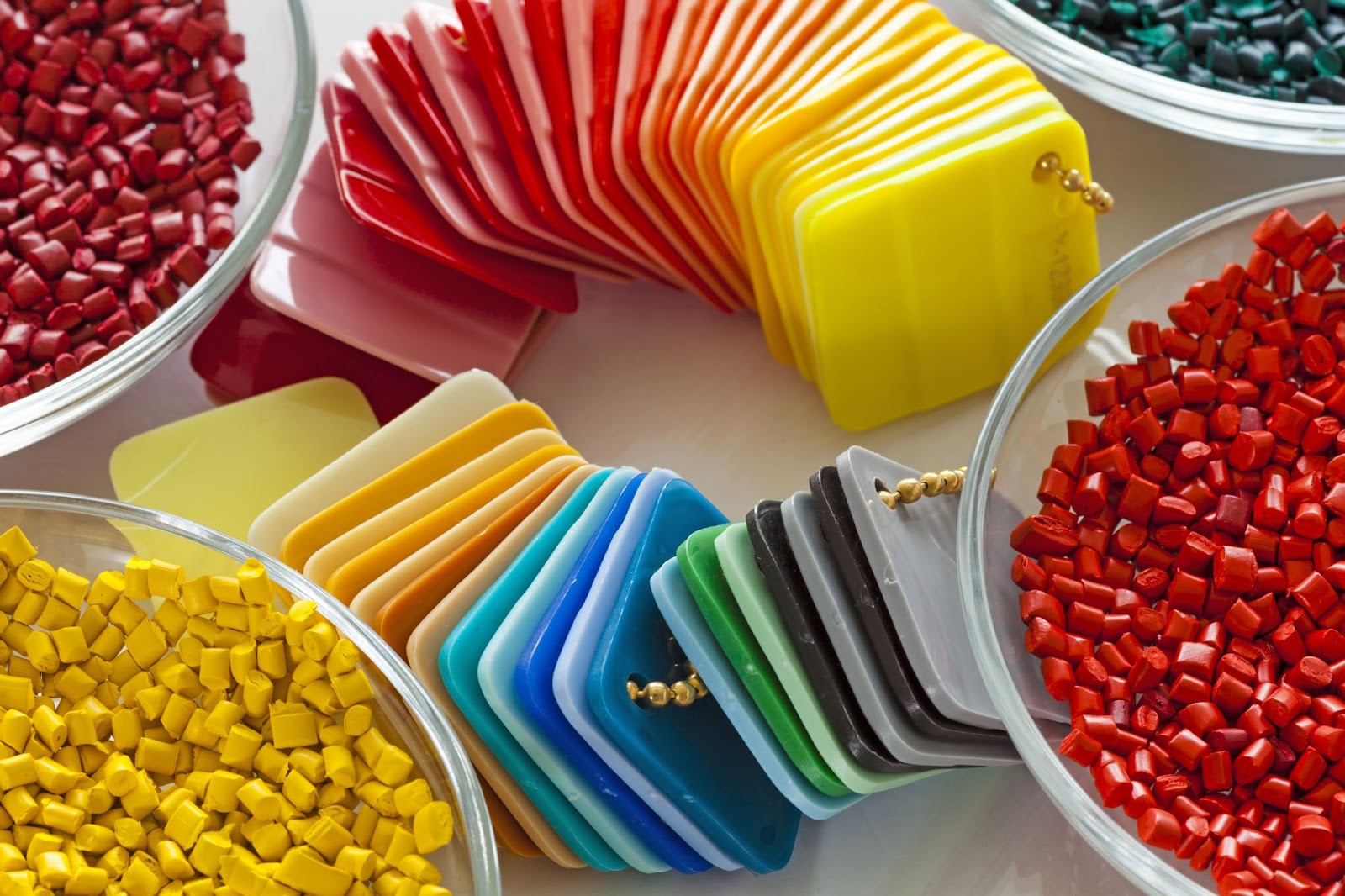
Colors in plastic injection molding are achieved by adding pigments or colorants to the plastic resin before it's melted and injected into the mold. Several methods are used, including masterbatch, pre-blended color pellets, dry color blending, and liquid colorants, each with specific applications. These colorants are mixed with the polymer material in the molding machine's barrel to achieve uniform color distribution. The method chosen depends on factors like the desired color, production scale, and precision requirements to ensure consistent and durable coloration in the final plastic product. Contact us today to learn how we can create the perfect color match for your project!
©2023 MarCon, Inc.® | ALL RIGHTS RESERVED | Industrial Website Catalog by WYSIWYG Marketing